
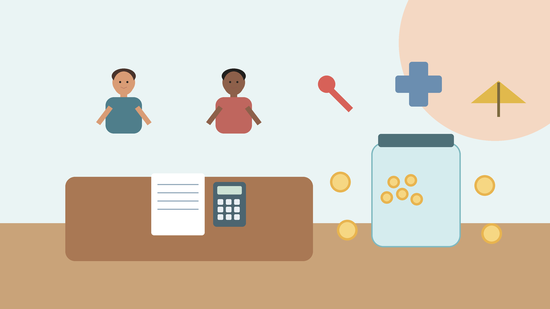
An emergency fund is not a number you choose once and keep forever. Housing costs change, insurance deductibles rise, cars age, families grow, and income can become more or less predictable. A savings target that felt comfortable three years ago may no longer cover the same amount of disruption.
The purpose of emergency savings is to create time and options. It can keep a car repair, medical bill, home problem, or temporary loss of income from becoming high-interest debt. The appropriate amount depends on the risks in your household, not on a single rule that applies to everyone.
Review What Has Changed
List the expenses that would continue if income stopped: housing, utilities, food, insurance, transportation, minimum debt payments, medications, and essential childcare. Then look at the largest likely out-of-pocket costs, such as health, auto, and homeowners insurance deductibles or a major appliance replacement.
Consider income stability as well. A household with two steady paychecks may need a different reserve than a household relying on commissions, seasonal work, self-employment, or one primary earner. Business owners often need two separate cushions - one for the household and one for payroll, taxes, rent, and other business obligations.
Separate Emergencies From Predictable Costs
Holiday gifts, annual insurance premiums, school expenses, vacations, and routine maintenance may be irregular, but they are not truly unexpected. Create separate sinking funds for those items. When predictable costs are paid from the emergency account, the reserve may not be available when a genuine emergency arrives.
A tiered target can make the goal less overwhelming. First, build a starter buffer that can absorb a common repair or deductible. Next, work toward several months of essential expenses. After that, adjust for special risks such as an older home, uncertain income, health concerns, or an upcoming career transition.
Make Rebuilding Automatic
Keep emergency savings liquid and separate from everyday spending, generally in a federally insured account that can be accessed without market risk or a lengthy delay. Automate a transfer after each payday. Direct a portion of bonuses, tax refunds, or other windfalls to the fund, especially after it has been used.
Do not wait for the perfect monthly amount. A smaller transfer that continues is more effective than an ambitious plan that stops after two months. Review progress quarterly and increase the transfer when a debt is paid off or income rises.
Emergency savings should work alongside insurance, retirement contributions, and debt management. Holding too little cash can create vulnerability, while holding far more than needed may slow other goals. Your CPA or financial professional can help evaluate the tradeoffs and set a reserve that reflects your actual household and business risks.