Starting a New Business: What Are My Tax Obligations?

If you are starting a new business it's important you start out on the right foot with the IRS.

You'll want to make sure you correctly identify how you will classify your business for tax purposes. Not correctly choosing the right one can leave you vulnerable to tax penalties and liable for damages caused by your business.

So it's important to know what's at stake and what best fits the needs of your new venture.

Here are a list of ways you can classify your business:

  • LLC or Limited Liability Corporation - An LLC protects you from personal responsibility of business debts and claims. So, if you owe money through debt or lawsuit, only the assets owned by the business can be sought to satisfy those claims. However, you still report the profit and losses of the business on your personal tax filings.Visit IRS page on LLCs for more details>>
  • Sole Proprietorship - Basically, this is when you and only you are the company. For example, you're a consultant, carpenter or photographer. You claim profits and losses on your personal income tax and are taxed on your profits. The drawback here versus an LLC is that you CAN be held personally liable for costs incurred by the business. A pro to this classification though is that it is easy to setup and usually requires very little paperwork, especially if you're doing business as (DBA) your own name–for example, “John Smith Photography.” Visit IRS page on Sole Proprietorships for more details>>
  • Partnership - This one is a bit more obvious. It's when two or more people go into business together pooling together money, labor and/or skills with an expectation of sharing the profits. Under this structure, a partner does not report the entire profit and loss of the business but reports only their own share of the profits. Visit IRS page on Partnerships for more details>>
  • Corporation (C Corporation) - Corporations are their own entity and report a profit and losses the way a sole proprietor would. A corporation differs from a Partnership because shareholders, while investing assets like a partnership, are receiving capital stock in exchange for said investments. A corporation is taxed on its profits and then the shareholder is taxed on the profit they receive from the corporation. Visit IRS page on Corporations for more details>>
  • S Corporation - An S Corporation is much like a C Corporation but passes all profits, losses and deductions on to its shareholders. This prevents the entity from being taxed twice like a C Corporation is taxed. However, there are multiple requirements the organization must meet to be eligible. For example, you have to be a domestic corporation with no foreign shareholders and you must have less than 100 shareholders. Visit IRS page on S Corporations for more details>>

It's important to keep in mind this is just for Federal filing status. States have different requirements and regulations you'll want to make sure you look into. If you're unsure of what your state requires or what filing status is best for you, give a call or email and we can help.

Category:

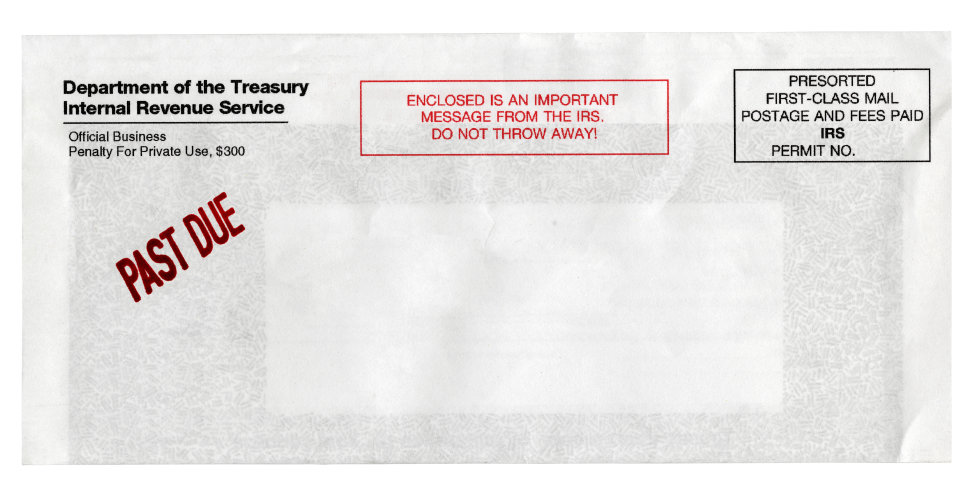
What to do if you get a notice from the IRS.

Deal with it now!

If you've received a notice or letter from the IRS, it’s best to deal with it right away. The more letters they send out the harder they are to deal with.

Don't Panic.

Do not panic, whatever you do. The IRS sends out millions of these and sometimes they can be just to verify a specific issue about your claim. And if you are asked to pay an additional amount, don’t pay it right away unless you're sure you owe it. The government has been known to make mistakes. That’s why it’s important to have someone qualified like us review the notice so we can make sure you get to keep as much of your money as you can and fulfill your legal obligations.

Let us take a look.

Keep in mind, these letters look daunting because they are required by law to be filled with legalese keeping you abreast of your rights. Of course, this can confuse the intent of the letter at times. Again, this is what we do so have us look at the notice you receive and take away the anxiety the IRS can cause sometimes.

Category:

6 Things People Fail To Budget For

When you don't budget for reality, 1 of 2 things will happen: you'll come up short on paying for everything you've budgeted or you'll absorb the unexpected expense in the form of debt. Neither is good (credit cards are a dangerous form of planning for emergencies).

Sure, you've accounted for rent/mortgage, utilities, car payments, insurance, gas, food and so on. But you probably didn't think about things like birthday gifts, medical expenses, car repairs, your child’s jog-a-thon at school and any of those things that seem to pop-up out of nowhere that impair your ability to stick with a budget.

1. Gifts

Gifts will sneak up on you. Especially if you have small kids. It can seem like there’s a birthday party to go to every weekend. At work, you can also get roped into the "we're all going in together to get the boss a gift." Make sure to make a line for it on your budget. Obviously, take into account the birthdays you know you have coming up and budget for them. And if there’s a month you don't know of any gift occasions, put $25-$50 away just in case. And if you don't use it by the end of the month, maybe you buy a loved one a gift just because.

2. Medical Expenses

Sure you have insurance. But do you know how much your deductible is? How about co-pays? You may not be able to put away enough in one month to cover a major medical expense but this is a great category to have that you put money towards every month. Make sure you keep written down what money belongs to what in savings.

3. Car Repairs

The car is running fine today. But in the next 12 months who knows? This is another great category to mark in your savings. Starting to put money towards this every month will put you in a much more secure situation when it happens.

4. Vacation

A lot of people of depend on just “hopefully having enough to go somewhere and do something.” And, some people depend on a bonus check or a tax return but these are not guaranteed. Putting away money every month towards a vacation gives you something to look forward to not just hope for. It can also save you money because you can go ahead and buy plane tickets earlier getting a better deal. Think about where you want to go and realistically how much it will cost. Then, break it down over 12 months and put it away.

5. Big Ticket Items

The average family or small business can’t just walk into store and completely replace all its furnishings or equipment at once. But if you're not budgeting realistically, you won't even be able to make even 1 major purchase. Sure you can get by with that old couch but what if it’s the washing machine that goes out. This is a chance to replace it and someone that’s planned for this type of expense can buy something that’s better quality and makes life easier, which will save you even more money in the long run.

6. Random Acts of Kindness (Or Societal Obligation)

You probably dread seeing your child pull out of their backpack a legal-sized envelope with a spreadsheet stapled to the front. You say, “Oh geez, what do they want money for now?” But you also may just come across someone you feel like could use a little financial boost or perhaps a charity that you'd like to make a one-time contribution to. Planning for it allows you to be open to your charitable nature without having a nagging sensation that you're taking away from something critical like the power bill. Plus, you know how much you can give when someone asks.

What else can you think of that’s gotten you off-track with your budget? If you can think of something, then plan for it.

Category:

Industry-Leading Affordability and Value at Every Level

See All Features Buy Now