10 Reasons To Contact Your CPA Immediately

When you are facing various types of financial difficulties or are in the midst of undergoing a major financial change in your life, consulting with a CPA you know and trust can make any situation easier. Whether you are facing an IRS audit, have questions regarding your business or investments, or are dealing with the death of a loved one, it is vital you get expert financial advice as quickly as possible. To make sure all goes well, here are 10 reasons to contact your CPA immediately.

Tax Law Changes

Whether you're a business owner or an individual who has multiple sources of income, you know all too well just how often the IRS changes its tax laws. Since there is no way you can keep up with what has changed and how you will be impacted, always consult with your CPA once any tax laws change. By doing so, you can make sure you benefit as much as possible from the new laws.

An Upcoming Audit

When the IRS comes calling with an audit, you need to go into that audit as prepared as possible. Remember, being audited does not necessarily mean you are in trouble with the IRS. In many cases, the agency may only need to get something clarified about your tax return, which in some cases may be to your benefit. By contacting your CPA as soon as you are notified of the audit, you can learn what to expect and arrange to have your CPA with you during the audit.

Starting a Business

When starting a new business, making early mistakes can doom you from the start. Along with finding out about taxes and other financial matters, a CPA can also advise you about the details involved with purchasing a location, equipment, payroll for your employees, business licensing, and much more.

Death of a Breadwinner

Should you experience the death of your family's breadwinner, you may be at a loss as to what to do next. If you were named as a beneficiary for life insurance, your CPA can work with you to answer questions about taxes, act as a go-between with you and the insurance company, and help you set up a financial plan for you and your family moving forward.

You've Inherited Cash or Property

When you inherit a large amount of cash or property, life can change in a hurry. If you fail to speak to a CPA about how these changes will impact your financial future, you could be in for some unpleasant surprises, especially in terms of inheritance taxes. Since these can be quite high, it is best to have a CPA work with you to reduce your taxes as much as possible.

Making a Large Financial Gift

When you want to make a large financial gift to a school, organization, or elsewhere, there will be many tax implications. While you will be eager to make your contribution to a school you attended or an organization you care about very deeply, doing so in haste could result in costly mistakes. By talking over your plans with a CPA you know and trust, you can gain great tax benefits while also helping others.

You Own Investment Property

As a real estate investor, you know the many nuances that go along with not only purchasing property, but also in ensuring it is profitable for you in the years ahead. Due to the many different tax situations that can exist within various states across the nation, you need to know how certain tax laws and other regulations will apply to your properties. Once you consult with your CPA, you can learn how tax laws and other rules will keep your investment portfolio profitable.

You Earn in Excess of $200,000 Annually

Should you find yourself now earning in excess of $200,000 per year, it will benefit you to speak to a CPA as soon as possible. Though it may not seem fair, the more money you earn, the greater the chances you will at some point be audited by the IRS. Once you are officially a high earner, talk to a CPA so that you understand the tax implications and how you can avoid a future audit.

You Need to Reduce Debt

Whether you have suffered the death of a spouse, have recently undergone a divorce, or have made poor decisions regarding your business or investments, you may now be staring at far more debt than you ever imagined could happen to you in your lifetime. When you need to reduce debt, a CPA is a financial professional who can help in many ways. For example, if you are being pressured by creditors, your CPA can act on your behalf and negotiate with creditors, helping you reach agreements to settle your debt. By taking your CPA's advice about debt management, your finances may improve much faster than you expected.

Losing a Major Client

If you are a business owner who has lost a major client, the moves you make in the weeks ahead may determine the fate of your business. Since a major client who disappears also takes a great deal of money with them, you may now be struggling to make ends meet. However, since you will still have a cash flow, there are certain financial maneuvers you can make to keep your business afloat. By working closely with your CPA, you can learn how to rebound from this setback, get your business steadied, and move forward as you gain new clients.

Even if you are a person who feels as if you can work your way out of the most difficult of situations, don't take any chances when it comes to your finances. Whether you are worried about your business, facing an IRS audit, or need to learn how to maximize the profitability of your investment properties, consulting with an experienced CPA will be a smart decision. By not procrastinating, you can take charge of your finances and get much-needed expert advice.

Category:

How PPP Loan Forgiveness Works

When the COVD-19 pandemic hit, thousands of small businesses were shutting their doors, laying off workers, and wondering if they would ever open up again. However, once Congress passed the CARES Act, businesses could take out loans that would prop them up and survive the pandemic. Best of all, these Paycheck Protection Program (PPP) loans were set up to be forgivable. However, forgiveness is not set in stone with these loans, meaning business owners who perhaps let deadlines lapse may be on the hook for whatever amount of money they borrowed. If you took out such a loan and have questions as to how PPP loan forgiveness works, here are some things to remember.

Used for Designated Expenses

To begin with, PPP loan borrowers will be eligible to have their loans forgiven only if they used the money on designated expenses allowed for by the program. Yet whatever amount of money was spent on designated expenses over the course of 24 weeks or only eight weeks, these loans will be eligible for forgiveness. For example, 100% of payments made to payroll will be forgiven, as will rent, utilities, and mortgage interest up to 40% of the PPP loan. But even if your loan is forgiven, remember that the expenses covered by the PPP loan will not be tax-deductible.

First-Draw Loan Forgiveness

If you received a first-draw PPP loan, you will be eligible for loan forgiveness if you meet certain criteria during the eight or 24-week period that was covered. This includes maintaining compensation and employee levels, spending your loan on payroll and other approved expenses, and making sure at least 60% of your loan proceeds were spent on payroll. As for second-draw PPP loans, the only difference in making sure you get loan forgiveness is that you must have maintained your employee and compensation levels exactly as you did when you received your first-draw loan.

You Must Use Up Your Loan Proceeds

Though you will be eager to make sure your PPP loan is forgiven, this does not mean you can apply for forgiveness soon after getting your loan. In fact, you can apply for loan forgiveness only after you have used up all of your loan proceeds on the expenses noted earlier. Also, note that once you have used up your loan proceeds, you may apply for forgiveness at any time, so long as you do so by the maturity date of your loan.

Failing to Ask for Forgiveness

Since these loans can be completely forgiven, it is imperative you know exactly not only how to spend your funds, but also your deadlines for when you might have to start making monthly loan payments, which is something you definitely can't afford at the moment. To make sure your PPP loan payments are deferred, you must apply for forgiveness no later than 10 months after the last day of your covered period. If you don't, your PPP lender will then expect a monthly payment from your business.

Apply For Loan Forgiveness With the SBA or Your Lender?

Whether you are self-employed, an LLC, or have another type of business structure, you will need to determine if you will apply to the SBA or a specific lender for loan forgiveness. Should your lender be a participant in direct forgiveness, you can apply to the SBA anytime after August 4, 2021. If your employer is not participating in this program, you will apply directly to your lender to have your loan forgiven. When doing so, you will need to submit SBA Form 3508, 3508EZ, or 3508S. In some instances, your lender may have forms equivalent to these they will want you to use, so always ask your lender for assistance if you have questions.

Compiling Your Documentation

If you use SBA Form 3508S, it will be much easier for you and your business. By using this form, you won't be required to provide more documentation that shows the calculations used to determine the amount of your loan forgiveness. However, don't be surprised if the SBA requests more documents when reviewing your loan and its forgiveness. To make sure you use the proper documentation when filling out your forms, always have bank statements, tax filings, receipts and cancelled checks for utilities and rent, and any other documentation you believe may be necessary.

Monitor Your Application

Upon submitting your PPP loan forgiveness application, don't forget about it and assume all is well. Instead, don't be afraid to contact the SBA or your specific lender to find out how things are going. In cases where the SBA chooses to review your loan, the process may take some time to complete. Once the review is finished, the SBA or your lender will inform you of whatever decision was made. Should you disagree with the decision, you have the right to appeal. Also, your lender will be responsible for notifying you of whatever amount the SBA has forgiven from your loan, as well the date any payment on the remaining amount will be due.

Ask for Help if Needed

Even though the PPP loan forgiveness form is only two pages long, it comes with several pages of instructions and worksheets to help you make the correct computations. However, even at only two pages, chances are you will still have many questions along the way. Therefore, don't be afraid to ask for help if you need it. Whether it's from your lender, the Small Business Administration, or an accountant or CPA you know and trust, having others assist you with the paperwork can help you avoid errors that could delay having your loan forgiven, forcing you to make unnecessary loan payments you likely can't afford.

Since the PPP loans you received helped you keep your business afloat and allowed your employees to continue earning a living, make sure you pay attention to the details now that you're ready to have the loan forgiven. By doing so, you'll get peace of mind and a loan that is forgiven by the SBA or your lender.

Category:

How to Re-Energize Your Business After the Pandemic

While only a few months ago it may not have seemed possible, most states are now lifting mask and social distancing mandates, meaning life where you live and elsewhere in the nation is slowly but surely returning to normal. However, the COVID-19 pandemic took quite a toll on businesses, yours included. Therefore, while you're optimistic about the future, you know you have plenty of work ahead of you to re-energize your business. Since the ball is in your court now, it's time to be proactive and start thinking about what it will take to get your business back to pre-pandemic levels in terms of customers, sales, and profits. If you're ready to kick COVID-19 to the curb and get your business going once again, here are some effective ways to make it happen.

Secure Working Capital

Although you may have relied on the Paycheck Protection Program loans to help your business survive during the pandemic, it's still important you secure the working capital you will need post-pandemic. To do so, you can work with your favorite lender to secure a loan, open a line of credit, or even use some credit cards if necessary to rebuild your inventory, pay for advertising and other crucial expenses.

Have Your Business Fully-Staffed

If you had a great team of employees whom you had to lay off during the pandemic, reassemble your “Dream Team” as fast as possible. While some people may have moved on to other jobs by now, it is possible that many of your staff have been eagerly awaiting a call from you, inviting them to come back to work. Even if you lost a few employees, many others are now actively searching for jobs. By offering some incentives such as a sign-on bonus, perks such as gift cards, or flexible schedules with a solid starting wage, you should have little trouble getting fully-staffed within a reasonable period of time.

Reclaim Your Customers

No matter what type of business you own, chances are your customers are more eager than ever to walk back through your doors. However, if you just sit back and assume this will happen, you may be in for a rude awakening. Since your competitors are also wanting as many customers as possible, you have to do all you can to make sure it is your business that customers ultimately select for various products or services. To do so, be very aggressive with your marketing efforts. A great way to do so is by staying active on social media, where you can use your company's Facebook, Twitter, Instagram, and other platforms to inform customers of special deals, your grand reopening and other enticing tidbits of information.

Have a Full Inventory

When you have a grand reopening for your customers, the last thing you want is for them to walk in and find store shelves that are empty. Therefore, you need to make rebuilding your inventory a major priority as quickly as possible. Though there are some supply chain problems that currently exist with various types of products, most experts agree there is still plenty of inventory available for most businesses. Along with getting back in touch with some of your most reliable vendors, make sure you have the money needed to purchase what you need. If necessary, use a line of credit or even a merchant cash advance to have everything in place upon reopening.

Diversify Your Products and Services

If there has been any silver lining in the pandemic, it has been the fact that you and others realized things can be done in different ways. Because of this, you may be able to re-energize your business by choosing to diversify the products and services you offer to your customers. For example, if you didn’t previously offer delivery services prior to the pandemic but found it was very popular with customers, consider continuing the service after you reopen. Depending upon the nature of your business, you may want to consider making house calls to provide certain services, or instead continue offering live-streamed classes or consultations to customers.

Identify Key Business Opportunities

With so many businesses having closed for good due to the pandemic, this may be your chance to identify and capitalize on some unforeseen opportunities. For example, if you had been considering relocating your business or perhaps opening another location, there may be some prime pieces of commercial real estate available now that otherwise would not have been on the market. If so, you can arrange for financing and find yourself turning what was only a dream into reality.

Give Back to Your Community

Even in the worst of times during the pandemic, you likely still had many customers who did all they could to help you stay in business. If so, you need to remember this and be willing to give back to your community now that things are returning to normal. There are many ways to do this. For example, you can host a live music event, which is something people have been longing for over the past year. Also, you can work with a local charity to support a food drive, host a pet adoption day or other event that will help others in your community. By showing a willingness to give back, your customers will remember your efforts and be even more committed to remaining loyal to you and your business for decades to come.

Since time is money in the business world, this is no time to procrastinate. Whether you are getting some signs made for your grand reopening, deciding which new products or services you will be offering your customers, or hiring new employees and getting them trained, it won't be long before all of your hard work pays off in a big way.

Category:

How to Calculate (and Lower) Your Customer Acquisition Cost

If you are a business owner and have thousands of customers buying your product or service on a daily basis, this sounds like a great formula for success. However, there’s more to the success formula than sales. You need to pay attention to your customer acquisition cost. If it costs too much to acquire your customers, this will cut into your profits. If your customer acquisition cost is too high, you and your business have a serious problem that needs to be corrected as quickly as possible. To keep your business growing, you need to carefully calculate your customer acquisition cost and reduce it as much as possible.

What is Customer Acquisition Cost?

If you're unclear as to what customer acquisition cost is, think of it in the following terms. Simply put, it is the total cost of everything that is needed for your business to acquire a new customer. This can include such things as your advertising costs, physical supplies and services such as designing, printing out and mailing materials, salaries of salespeople and other related expenses. Once this is calculated, the result is divided by the number of customers acquired.

Why is Customer Acquisition Cost Important?

As to why customer acquisition cost (CAC) is important to your business, it all comes down to how much revenue you are earning. If your customer acquisition cost continues to outpace your revenue over an extended period of time, your losses will eventually put you out of business. Needless to say, this is not a scenario you want to encounter. In addition, knowing how to calculate and lower your customer acquisition cost can be beneficial in helping you decide how to invest in your company's future growth.

Don't Overlook Hidden Costs

When you are calculating your CAC, don't make the mistake of overlooking hidden costs that may be linked to acquiring new customers. For example, if you are paying salaries to various marketers, always include those in your CAC calculation. If you’re paying fees to a social media management platform, a social media manager or placing social media ads, include that. Also, make sure you add in any payment processing fees your business pays when a customer buys your product online. By making sure you properly calculate all costs associated with CAC, you can ensure that you stay on top of your expenses and won't experience an unpleasant surprise.

Define Your Target Market

Once you've calculated your CAC and begun looking for ways to get it lowered, a great starting point is to define your target market. If you are able to do this with laser precision, the result will be lower costs and higher revenues. By accurately defining who your typical customer is, your messaging and sales tactics can be narrowed to that particular market, saving you money and time.

In fact, a very easy way to reduce your CAC is to put your efforts into obtaining those customers who will be the easiest to get and the most likely to convert into sales. In essence, reaching for the low-hanging fruit will make far more sense—at least in the beginning—than trying to grab onto that which may be unreachable.

Improve Your Conversions

While all businesses are concerned about driving traffic to their website, not all of them pay as much attention to turning potential customers into conversions. Remember that traffic does not equal sales. To improve your CAC, make improving the rate of conversions a top priority. As for how you can improve this and lower your CAC, pay attention to such things as slow loading times, navigation difficulties on various pages of your website and other issues potential customers experience, then make the necessary changes.

The Importance of Customer Retention

Once your business is able to acquire a customer, that is only the beginning of making sure your CAC stays low. To stay on this path to success, you also need to know how to retain that customer and get long-term value (LTV) from them. If you don't, you will be in a constant cycle of acquiring and then losing customers, which forces you to spend far more time and money on acquiring new customers than your competitors. By working closely with your marketing and accounting teams, you can learn more about this metric, what your company's LTV and CAC rates need to be, and coordinate your efforts to get both of these rates to their desired levels.

Streamline Your Process

In business, time is money. Therefore, try to streamline your processes utilizing automation technology as much as possible. This can include such things as sending out welcome or thank you emails to customers, offering discounts and promotion codes, and other incentives for customers to continue using your business. While this may sound like lots of work, it is actually far easier than you would imagine, and will save you and your staff plenty of time once the system is up and running. As for how it will reduce your CAC, automation leads to reduced customer support costs and increased brand recognition. Automation is also less costly than paying a human to do the same tasks.

Take Advantage of Live Chat

Now considered one of the primary ways companies can lower CAC, live chat is unique in that it can be the source for a customer's entire journey; from being only a prospect to becoming a loyal customer. Combining conversational marketing and customer engagement strategies, live chat gives your business more opportunities to sell various products or services to customers. Best of all, it increases a customer's long-term value to your company. In fact, studies show customers who use live chat with companies tend to spend almost 15% more with that company during their lifetime.

Remember that no matter how great your product or service is within your industry, your business will only succeed if CAC is kept as low as possible. Once you start to use the above-mentioned strategies and prioritize CAC as a key business metric, you'll be surprised at the results. Talk to your CPA about CAC and how it affects your bottom line.

Category:

Accounts Receivables

The volume and importance of your accounts receivables balance varies significantly by business type. A hair salon where customers pay at the time of service likely doesn’t have a large amount of accounts receivable. A manufacturing company that ships product before payment, and extends generous payment terms, likely has a

If extending terms, sending invoices, and waiting for payment impacts your cash flow, it’s important that you develop a system to manage your accounts receivable.

Creating a System

Whether it’s in a spreadsheet or accounting software, you’ll need a system to track your A/R. Most businesses divide their invoices due into buckets of 0-30 days, 31-60 days, 61-90 days, and greater than 90 days. Set up a system to track how tardy customers are in paying their bills, preferably one that automatically moves them by due date.

As invoices roll from one bucket to the next - i.e., become further and further past due - the likelihood that you’ll receive payment goes down. This is one of the reasons that monitoring your invoices is so important.

Many accounting software systems generate aged receivables reports. Some will notify you with alerts when invoices become severely past due. As part of your A/R management process, review these reports weekly, bi-weekly or monthly depending on the size of your balances owed and how long they’ve been owed. An accounting or A/R clerk can do this, or the business owner can sit down with their clerk to review the report.

Assess Penalties for Past Due Payments

While you are waiting for the check to arrive, your customer is essentially taking an interest-free loan from you. They are using your products for free, but you have already incurred the costs to produce them. And now you will have to incur additional costs - the hourly wage of an A/R clerk, for example - to get paid.

Assessing penalties that reflect these costs to you can help you recoup them. Whether it’s five percent of the balance owed, or a flat fee of $25 for late payments, clearly state the penalties for late payments on all invoices. And don’t just put them on an invoice - enforce them.

Once a customer has had to pay a late fee charge, they might start paying their invoices on time.

Follow Up on Past Due Invoices

It’s not enough to monitor your past due invoices, you need to follow up on them. Hopefully, customers might have forgotten to pay, or their accounts payable clerk if out on vacation. In some instances, a past due invoice isn’t cause for alarm, particularly if the customer normally pays on time.

That’s why it’s important to follow up on past due invoices. Send an email, resend the invoice, or call the customer and remind them of their obligation. If you don’t follow up, they may continue to keep forgetting to pay.

In online accounting software, you can establish dates for automatic follow up emails. You select either 30, 60, or a custom number of days, and the software will automatically send an email. If you’re both struggling to collect and don’t have the staffing resources to manually send emails or letters, investing in software that does it for you could be worth the money.

Ensure that all communications are polite and professional. Your goal is to get paid, not to lose a customer. Though, sometimes, losing a customer could be the best thing for your business.

Identify Problem Customers

Monitoring, following up, and collecting on past due invoices can take significant time and effort. While you can attempt to cover these costs through the interest and late fee penalties discussed above, at some point it might better serve your business to fire the customer.

When making this decision, look at the volume of their business compared to the effort to collect. Do they only place a $500 order every six months, yet it takes you five emails and two phone calls to get paid? Also consider the length of time they typically take to pay. Waiting 180 days, on average, for payment from a customer could be more trouble than they’re worth.

If a problem customer causes you too many headaches, and the volume and size of their business doesn’t justify keeping them around, consider firing them.

Hiring a Collection Agency

Emails have gone unread, they’re sending your calls straight to voicemail, and the invoice is 180 days past due. Should you hire a collection agency? Before you go down this route, consider the following.

Collection agencies typically charge a percentage of what they collect. This percent ranges from 25% to 50% of the total amount owed. They could also charge a contingency fee.

Terms and rates vary, but paying $250 on a $500 debt just may not be worth it to you. As well, you’ll need to research the agency and make sure they’re licensed and insured and have experience in your industry before assigning them your debt. As hard as it may be, at times it could be necessary to write off a bad debt and simply choose not to work with that customer again.

The best solution is to set up a system to monitor and collect on your accounts receivable before you’d ever have to consider collections. If you need advice or help, talk to your accountant.

Category:

Pros and Cons of Buying a Franchise

People become small business owners through several methods. Some inherit a family business when a parent or relative retire. Others launch an innovative new product and find themselves running a company without ever planning on it. But for some, those with money to invest upfront, they intentionally enter the small business world by becoming a franchise owner.

When you buy a franchise, you could be buying the right to use a parent company’s name, to sell their products, or to offer their services. The parent company often retains some control, whether it’s by setting prices across their franchisees or standardizing product offerings.

For some, investing in a franchise takes the work out of coming up with an idea or building a brand. Others chafe at those restrictions, or at paying a royalty to a parent company. If you’ve been thinking about becoming a franchisee, consider these pros and cons.

Pro: Name Brand Recognition

Some small business owners want to get a headstart on getting their business off the ground. With a franchise, you’re buying a known name with an established reputation that can attract customers from the day it opens.

Common franchises like sandwich shops, coffee stores, or fast food restaurants have names that are instantly recognizable. Because of this, you won’t have to work as hard to establish your business in the community or build sales. 

Con: Parent Company Control

For many people, they dream of becoming a small business owner because of the control it offers. They dream of setting their own hours and escaping the nine to five grind. But with a franchise, you’re not fully in control of the business you own.

Corporations that franchise, such as McDonald’s® or Subway®, put together the menu and set prices for your area. You can’t decide that you want to charge a dollar more for a hamburger than a franchise in the next town over. Breaking the rules, or failing to follow agreed-upon protocols, could cost you the franchise.  

Pro: Advertising is Done For You

All small business owners have strengths, or aspects of running the business that they enjoy more than others. If you don’t have the expertise to market your business or sell your products, a franchise could be a good fit.

The franchisor often takes care of local and national advertising. They’ll purchase ad spots on radio, television, or billboards in your area. A creative team in their corporate offices designs the logos and campaigns, and you can concentrate on other aspects of your business. 

Con: Franchise Fees and Royalties

However, you will pay for the advertising that the franchisor performs on your behalf. Franchise fee structures vary but you typically pay a large sum to open the business, then ongoing fees and royalties or a percentage of sales. That initial sum typically averages between $20,000 to $35,000

If the advertising campaign created by a team in another state doesn’t appeal to shoppers in your neighborhood, you still have to pay into the advertising pool. When sales rise, so does the amount you pay to the franchisor. Some franchises have set monthly fees, say $500, that you have to pay regardless if you made any money that month. 

Make sure that you include these fees when having your accountant draw up a business plan or review the financials of any franchise that you’re considering purchasing. 

Pro: Buying Power

If you’re a small business just starting out, it’s hard to negotiate terms with vendors. Without an established credit report, or Dun and Bradstreet report, they probably won’t extend credit. And you won’t be able to buy in enough bulk to get discounts.

With a franchise, the buying power of your store is lumped together with that of all the other franchises. Your parent company negotiates contracts with vendors, hopefully getting you the best deals on supplies. Vendors will extend credit and/or offer bulk discounts because you’re buying with other franchises or under the parent company umbrella. 

Con: It’s Difficult to Exit the Business

When you sign a franchise agreement, you sign a legal contract. It has enforceable clauses and an end date. If you opened a sandwich shop on your own and it wasn’t doing well, you could close or sell the business. It’s not as easy if you own a franchise.

Franchise agreements may prohibit reselling or transferring the franchise agreement, or only allow it if the franchisor approves. You could be forced to complete a contract and keep a business open even if you’re losing money. Have a lawyer and and an accountant review all contracts and financial commitments before you sign. 

There’s a lot to consider when it comes to buying a franchise. It could be an easy way to become a small business owner if you have the cash available for the initial investment. Just be sure that you have a good grasp of the pros and cons, and know what you can live with, before you go into business with a franchisor.

Category:

Customer Service with a Personal Touch

Your customers are the lifeblood of your business. You exist to provide them with the products and services that fulfill their needs, and your success depends on how well you identify and meet those needs. But your customers are not a monolith.

Research shows that companies who prioritize customer experience generate 60% more profits, and that 76% of customers believe the customer service represents how your business values them. While you might struggle to compete against a big box store in terms of price, you can differentiate when it comes to the personal connection.

Get to Know Your Customers Buying Behaviors

Tracking the frequency, products, and size of customer purchases can give you insight into their behaviors. Whether you use a customized software program or an Excel spreadsheet, learning their buying behaviors can serve you well in several areas.

One, you’ll have the product in stock

Failing to have a product in stock when a customer needs it can send them online or down the street to a competitor. Robust data on ordering behavior combined with excellent inventory management keeps this from happening.

Two, reminders can spur purchases

Sephora is one business that excels at this. About three months after a customer purchases foundation, they’ll receive an email asking them if it’s time to restock. If you know that your client typically has a wax service performed every three months but they haven’t scheduled an appointment yet, send an email or text reminder.

Three, anticipating their needs builds trust

 When you demonstrate that you’re paying attention to your customers, anticipating their needs and making sure you can meet them, it builds trust. They’re more likely to overlook a one-time mistake if you have a history of delivering value.

Send More than Emails

A handwritten thank you note may seem old-fashioned, but it can have a big impact. Consider jotting a quick note and slipping it in the mail after a customer makes a large purchase, or if they return to your salon after a long absence.

If your business is service-based, look into appointment registration programs that send automatic text messages with appointment reminders. This will help ensure they make their appointment, cutting down on no-show’s, and many people appreciate the reminder.

Around the holidays, or to celebrate important milestones like a one year anniversary, consider sending a small gift.

Always use their first name, and train employees in store or who answer the phone to use names, as well.

Add an Incentive or VIP Program

Have you ever done the math on those free coffee punch cards? By the time you’ve purchased ten lattes for five dollars, you’ve spent $50. And that doesn’t count the occasional muffin or scone you might have picked up with your morning coffee.

If you operate a retail store, consider offering free gift wrapping during the holiday season. Host a VIP shopping night, perhaps with other local stores, and offer appetizers, drinks, and a special discount to invited customers.

Take a look at your business and identify areas where it would make the most sense to offer VIP perks - whether it’s a free coffee or a discount on their birthday. Keep an eye on your bottom line, and track the results, so that you’re not giving away too much. But a small gesture can go a long way to encourage loyalty and build repeat sales.

Use Multiple Channels to Communicate

Everyone has preferences when it comes to communication. Some people prefer to pick up the phone to resolve an issue, others will send a tweet or direct message on social media. It’s important to be accessible to your customers on multiple channels to maximize your reach.

Make an email address, phone number, and other modes of communication easy to find on your website. Don’t ask them to hunt for information. If you chose to have a social media presence for marketing, be aware that customers will use those channels to resolve issues and monitor both comments and messages.

Do Business with Your Customers

The term “if you scratch my back, I’ll scratch yours” can be useful in the business world. Do you need to print new brochures? Choose the print shop down the street that ordered their office chairs from your warehouse.

Doing business with your customers is a great way to build loyalty and support in your local community. Think about some of your regular purchases - whether it’s office supplies, retail stock, or snow shoveling - and look at your client list. Could a current customer fulfill those needs?

While in many cases you could click “buy” online and have the item delivered, spending a little time to identify ways you could do business with your customer is worth it in the long run.

Customer service can be a great way to differentiate yourself from the competition and provide greater value. It helps you build loyalty and increase sales. For many smaller businesses it’s one way that they can compete against larger competitors.

Try some of these tips and see how they work for you!

Category:

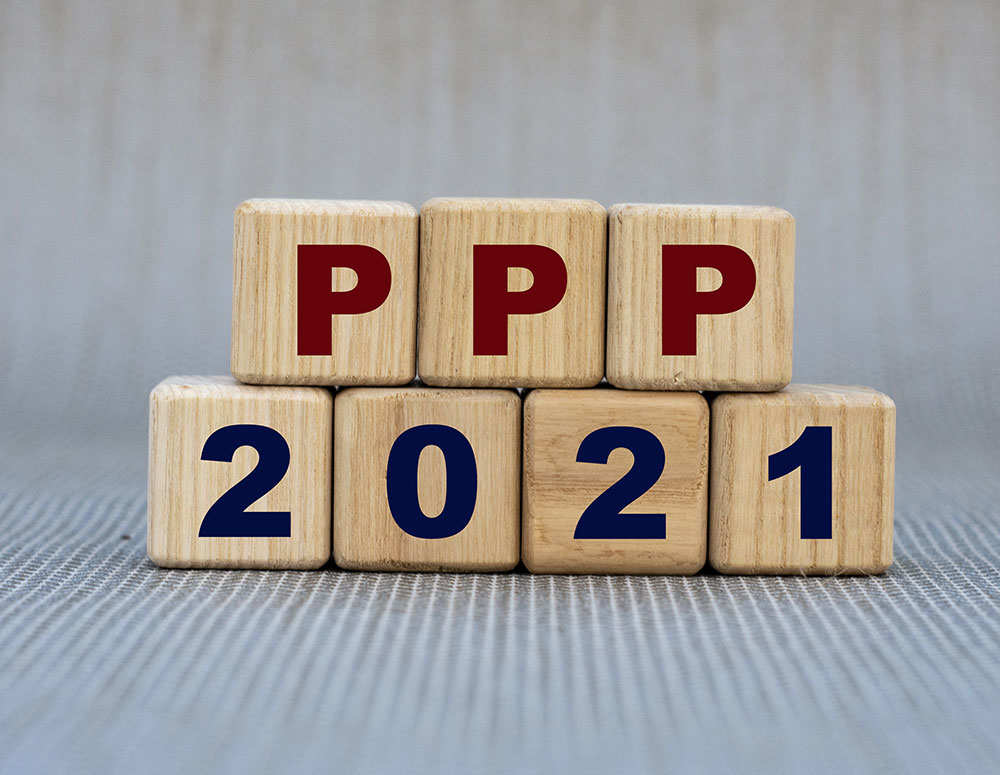
What to Know in 2021 About PPP Loans

Many businesses are still struggling due to the financial restrictions imposed due to COVID-19. The severely reduced income combined with ongoing payroll responsibilities has led to many businesses having to shut down entirely. Those that are left standing are hanging on by a thread. Yet, hope is on the horizon. The “Economic Aid to Hard-Hit Small Businesses, Nonprofits, and Venues Act” was recently passed by Congress. This Act reauthorizes the original PPP (Paycheck Protection Program) loans that came to an official end in August of 2020. There’s a lot to know in 2021 about PPP loans.

There are two primary goals for the Economic Aid to Hard-Hit Small Businesses, Nonprofits, and Venues Act. One is to provide needed funding for any small businesses that, for one reason or another, didn’t get a PPP loan in 2020. The second goal is to offer a select group of qualified businesses the opportunity to acquire another PPP loan. If your business falls into one of these categories, you should take the time to learn more about PPP loans in 2021. You have until the end of March, 2021 to avail of the program, or until funds are depleted, whichever comes first. The program is currently available, so you can get your application in immediately. But before you do, it’s important to prepare so that you have the best chances for acceptance.

What to Know About PPP Loans

PPP loans came out as part of the CARES Act, back in April of 2020. This program, administered by the SBA (Small Business Administration), allowed qualified small businesses the chance to get a loan to temporarily cover the costs of payroll. With loan approval, qualified small businesses were able to keep on valued employees through the tough times brought on by the pandemic. So even if a business had to close or have severely limited hours, the PPP loan could enable the business to continue to pay employees for up to eight weeks. While eight weeks doesn’t sound very long, consider the difference between eight weeks with a paycheck and eight weeks without a paycheck. The PPP loan program was not a permanent solution, but it helped. (Note that it was also open to independent contractors.)

The initial program quickly ran out of funding, although it started with a whopping $349 billion available. A further $320 billion was added to help meet ongoing demand.

The key thing to know about PPP loans is that they may be fully or partially forgivable. Unlike other SBA loans, PPP loans do not have to be repaid. The only caveat is that you meet certain requirements. This is a huge benefit to needy small businesses as well as to their employees who ultimately receive the money.

The key things to know about PPP loans in 2021 are:

•   Qualified businesses can get PPP loans up to two and a half times their average monthly payroll costs.

•   Hospitality and/or food service businesses (i.e., restaurants) with a NAICS code that starts in 72 may qualify for up to three and a half times their average monthly payroll costs.

•   The maximum loan amount for businesses that already got one PPP loan in 2020 is $2 million.

•   Expanded coverage that meets criteria for loan forgiveness includes:

  • Payroll
  • Utilities
  • Rent
  • Mortgage interest payments
  • IT/Operations expenses
  • Property damage expenses not covered under insurance
  • Supplier Expenses
  • Worker PPE and general worker safety equipment

•   You have to spend a minimum of 60% of the total loan amount on payroll costs

•   You have to spend the funds over a period of time of either eight or 24 weeks after the loan origination date.

•   You aren’t required to deduct your EIDL advance grant from total of your PPP loan amount forgiveness.

If you did get a PPP loan in 2020, you’ll note that the expanded list of authorized expenses for 2021 PPP loans is quite significant.

Streamlined Loan Forgiveness Application 

If you get a 2021 PPP loan for $150,000 or less, you can also take advantage of the new streamlined loan forgiveness application. It’s a simple one-page document that provides the number of employees you were able to keep on due to taking out the loan, an estimate of how much of the loan was spent on payroll, and the total amount of the loan that you got. Unless the SBA needs to verify your business’s revenue loss, that’s all that will be required of you to have your 2021 PPP loan forgiven. 

Tax Concerns Regarding the 2021 PPP Loan 

You should speak with your CPA about tax concerns regarding the 2021 PPP loan. However, in general, you need to know that your business can’t be brand new; you need to have been operational since February 15th, 2020 at the earliest.

Your business also needs to fall into one of the following four categories:

1. A non-profit or small business with 500 or less employees
2. A small business, 501(c)(19) veteran organization, tribal business, or small agricultural cooperative that meets the SBA’s size standards
3. An independent contractor or sole proprietor
4. A food services or hospitality business that has an NAICS code beginning with the numbers 72, and have fewer than 300 employees per physical location 

How to Apply For a 2021 PPP Loan 

If you believe your business may qualify for a 2021 PPP loan, you shouldn’t hesitate to apply. The program is already open for applicants. You can apply via the SBA website. Contact your CPA for any needed assistance filling out the application. Be sure to check again with your CPA for the latest information about tax concerns regarding either the 2020 or the 2021 PPP loan program.

Category:

Startups and Equity

It can be difficult to attract talent during the start-up phase when you can’t necessarily offer the larger salaries and bonuses of a more-established company. Many start-ups turn to offering employee equity plans that increase the attractiveness of working for them. But there are downsides to diluting your equity and managing an equity plan.

If you’re a startup struggling to build the professional team you need to succeed, here are some of the pros and cons of launching an equity plan.

Reasons to Offer Employees’ Equity

Offering equity is also a great way to retain important employees. If you offer a stock grant, for example, which vests after two years of service, eligible employees are less likely to leave before the two-year mark. When they’re considering other opportunities, the possibility of losing their options could sway them to stay.

If they receive an offer from a competitor, it could be impossible to compete. A company can’t always afford to increase a key employee’s salary or offer a higher bonus. But you could offer equity as an incentive to stay.

Another reason to offer equity is to increase employee engagement and investment in your company’s results. Similar to a bonus, when they benefit from the company’s success, they’ll likely work harder to make it happen. 

Downsides to Offering Equity

Obviously, offering equity to employees dilutes your equity or the equity of other shareholders. This is why many larger corporations require that the Board of Directors sign off on any equity plan. For founders, it can be hard to lose control of the company they started. 

As well, as equity becomes diluted it could be harder to make strategic decisions and you’ll need to work to get buy-in from all stakeholders. It’s something to consider if you’re not ready yet to handle competing ideas for your company’s direction. 

Increased administration costs are another downside to offering equity plans. A staff accountant or other expert will have to track, account for, and manage the equity plan. This could include forecasting possible exercises and their impact on overall equity, booking accruals for compensation, and responding to employee questions about their plan. 

Types of Equity to Offer

There are three common types of equity plans you can offer, each of which has different tax implications for either the employee or the company.

Stock Grants

Think of a grant as a gift. If the employee is still with the company when it vests, they get the stock. Typical service periods range from two to four years, and often a grant will vest over time. For a four-year grant, the employee may receive 25% of their grant each year.

If you offer a grant, you’re required to fulfill it and the grant’s price, which is often less than the stock’s market price. Employees will have to report the grant as income, and the stock received at the market value, in the year it vests. 

Stock Options

An option gives someone the option to purchase stock at a specified price. It could have the same vesting period as a grant, but the employee has the option whether or not to exercise it. 

If a director has an option to purchase 300 shares at $40 a share and the market price of your company’s stock has risen to $60, they’ll likely exercise the option. If the stock is selling at $30, so less than the option price, common sense dictates that they’d let the option expire. 

Choosing to offer stock options means more work for the company. You’ll have to estimate the likelihood of an option being exercised or forfeited, and accrue stock-based compensation expense accordingly. The employee who exercises the option is responsible for paying taxes on it, but how much they pay will depend upon whether they sell it right away or hold onto it for a few years. 

Performance-Based Awards

Performance-based awards are more commonly offered to higher level or C-suite employees. As their name implies, the amount an employee eventually receives will depend upon performance. When the performance metric is achieved, they could receive the stock as a grant or have the option to purchase it. 

An award could vest based upon reaching a target earnings per share, net income, or EBITDA number. It might also have a vesting period based upon dates of service. Forecasting potential vesting, exercises, and forfeitures becomes even more complicated than with a stock option. 

Taxes and Stock-Based Compensation Plans

There are tax implications to equity plans for both employees and corporations. Corporations can deduct the share-based compensation expense on their taxes, which can impact their income statement.

If you decide to offer employee’s equity, it would be wise to discuss the type of equity and who is eligible with a tax professional. You can structure your equity plan to both incentivize employees and help the company at tax time. Because plans can become quite complex, you may need to consult several professionals and perhaps hire an outside equity administrator.

Whatever path you decide to take, the right equity plan can shepherd your company to success.

Category:

Tips For Tracking Employee Time

Since a lot of employees are working from home now, it makes sense that employers are looking for efficient ways to track employee time. Even though employees do have more autonomy over their working time, you still need to ensure that you’re not paying for excess idle time. Most professionals can be trusted to work when they’re supposed to, but there will always be some people who try to take advantage of the working from home situation. Following are some considerations to keep in mind and some ideas about various ways to track employee time.

Put Expectations in Writing

If your employees are transitioning from full-time, in-house work, don’t just expect that they’ll know what expectations are when working from home. For one thing, it’s unlikely that your employees will appear judiciously at their home computers at 9 a.m. on the dot, take two short breaks and one hour-long lunch before shutting down at 5 p.m. That’s just unrealistic considering a) the distractions and interruptions they may face and b), the amount of focused work they’ll be able to do from home. The truth is, many people find that they’re able to get more done in fewer hours from home than in the office. There are fewer colleagues stopping by the desk to “catch up” or gossip, fewer reasons to visit the water cooler, and fewer reasons to do busy work for the sake of looking busy for the boss. So put your expectations in writing, but don’t expect the same things as you did when your employees were office-bound. In other words, focus on meeting goals rather than meeting minimum hours worked. Put everything in writing and then have the employee sign the document. If you need to terminate the employee for a time-related issue, the document will help prove your just cause.

Decide on How You’ll Measure Time Worked

For employees that are on salary, you don’t need to worry so much that you’re paying for idle hours. It’s the hourly employees that you need to concern yourself with. For this, there are several different ways that you can measure the time actually worked. The one you choose will depend greatly on what kind of work needs to get done and your employee’s tolerance for oversight. 

One such method is to keep track of keystrokes. For this, your employee would install a program on their laptop or desktop. They would log in and proceed with work. If they aren’t actively typing, that means they aren’t working. When they want to take a break for anything (bathroom break, put a load of laundry in, etc.) they would log off and then log back in when they’re ready to work again. This particular method of employee time tracking is suitable for employees who do data entry, but not much else. It can feel oppressive to an employee who might be writing content for your marketing blog or some other work that involves typing.

Another method involves the telephone. If you have employees that make cold calls for your company or do sales calls, this method can be very useful. It involves paying for a phone service that your employee dials into to make their calls. The phone service keeps track of which employee is making calls, when they make them and how long the calls last. In fact, this time tracking method serves two purposes; it allows you to gather accurate information about hours worked and it also protects employees from having to expose their personal telephone information to prospects.

You could also rely on traditional timesheets to track employee time. Bear in mind that timesheets aren’t as reliable and you might spend a significant amount of time chasing down timesheets from certain employees. Making the paycheck dependent on a timesheet being submitted on time is a great inducement! The timesheet method is most effective for businesses that have a lot of different clients and/or projects and you need to keep track of how many hours employees are spending on each client/project. Types of businesses that this is suitable for include architectural firms, marketing agencies, software companies and similar. If you do opt for a timesheet model, you can choose from a digital timesheet or an actual printable timesheet that employees fill in by hand and email back to you. 

Motivating Employees to Keep Track of Time

Employees that are new to the work at home model may need some cajoling to get on board with time tracking. It may feel oppressive or domineering at first, so you should make time tracking as easy and beneficial as possible. Try to consider what kinds of employees you have. Are they sophisticated, highly educated professionals accustomed to little oversight? If so, you probably already have them on salary, so you might consider just trusting that they’ll do the work they’re expected to get done. 

Are your employees mostly freelancer or creative types who rail against authority and rigid boundaries? Then a DIY timesheet might work in your favor. 

Are your employees high school grads who are basically just inputting data or doing other rudimentary tasks? Then a log in, log out time tracking system that keeps track of keystrokes will probably work in your favor.

Finally, make time tracking beneficial. Couch the system in terms that demonstrate your concern that they get fairly paid for the time they put in. Give them the tools they need for free or provide easy to understand instructions for downloading and installing time tracking software. Make things as easy as possible for your employees so that it’s as easy as possible for you to pay them accurately. 

For more tips and advice about accounting for employees’ time worked, consult with your CPA.

Category:

Industry-Leading Affordability and Value at Every Level

See All Features Buy Now